
If you’ve ever wrestled with a stubborn roller shutter—pushing, pulling, and muttering words not suitable for polite company—you know exactly how frustrating it can be. A noisy motor, a jammed track, or that mysterious clunk that keeps you awake at night isn’t just annoying; it can be a security risk and a headache you don’t need.
The good news? You can avoid most of these problems with a little know-how. And even when repairs are needed, you don’t always have to call in the cavalry (aka the repair guy who charges more than your shutter cost in the first place). In this complete guide, we’ll break down everything you need to know about roller shutter maintenance and common repairs—without the boring jargon, without the guesswork, and with just enough humor to make it painless.
So grab your metaphorical toolbox (or your actual one if you’re feeling brave), and let’s keep your shutters running as smoothly as the day they were installed.
Table of Contents
The Importance of Roller Shutter Maintenance
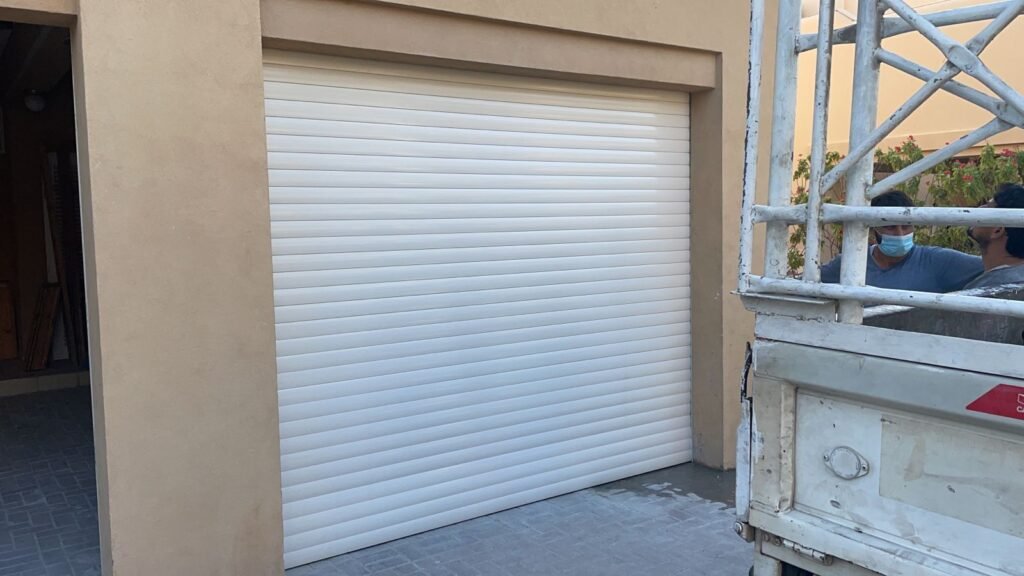
Let’s be real—most people only think about their roller shutters when something goes wrong. Until then, they’re just “that thing you pull down at night” or “the clunky metal curtain that magically opens every morning.” But here’s the truth: treating your shutters like a “set it and forget it” appliance is the fastest way to shorten their lifespan and fatten your repair bills.
Why Bother?
Think of your roller shutters like a car. You wouldn’t drive for 5 years without changing the oil and then act surprised when the engine seizes, right? (Okay… some people would, but we don’t talk about them.) Regular cleaning, lubrication, and quick check-ups keep the moving parts—springs, tracks, and motors—working smoothly. This not only extends their life but also stops minor issues from snowballing into big, ugly, expensive problems.
A study from the Door & Access Systems Manufacturers Association found that mechanical systems with routine preventive roller shutter maintenance last up to 40% longer than those left to fend for themselves. Translation: a little love now saves you from forking out for a complete replacement later.
Example? Imagine a small screw working loose on your roller mechanism. Left unchecked, that tiny wobble can wear down the shaft, warp the track, and burn out the motor. Suddenly, your “cheap repair” is a full-blown replacement job that could run into hundreds—or thousands—of dollars.
The Big Picture
Proactive roller shutter maintenance isn’t just about avoiding repairs—it’s about keeping all the good stuff you bought the shutter for in the first place. A well-maintained shutter means:
- Consistent security: No jams or gaps that an opportunistic thief could exploit.
- Energy efficiency: When your shutters seal properly, they help regulate indoor temperature, which can lower heating and cooling bills.
- Reliable functionality: No embarrassing “half-open” moments when your shopfront looks like it’s stuck in mid-yawn.
In short, you’re not just preventing problems—you’re protecting your comfort, your security, and your wallet. And if that’s not worth a bit of elbow grease once in a while, I don’t know what is.
Remember: neglect is expensive, but roller shutter maintenance is cheap. Ten minutes with a cloth and some lubricant today could save you a week of downtime and a repair bill that feels like a personal insult.
Don’t forget to visit our high speed roller shutter service.
Essential Maintenance Tips for Longevity
If you want your roller shutters to last for years without turning into squeaky, stubborn, security risks, the secret is simple: show them some love. Here’s your no-nonsense, expert-approved game plan.
1. Routine Cleaning
The How-To:
Think of dirt and dust as the slow poison of your shutter system—they sneak in, grind against moving parts, and wear things down over time. Here’s how to keep things spotless without damaging your shutters:
- Fully close the shutter.
- Use a soft, dry cloth to dust off the slats, starting from the top and working down.
- Mix a small amount of mild detergent with warm water.
- Dip your cloth into the soapy water (not soaking wet—just damp) and gently wipe down the slats, guide tracks, and the head box.
- Rinse with a clean damp cloth to remove soap residue.
- Dry completely to avoid water spots or rust.
The Tools:
- Soft microfiber cloth (goodbye scratches!)
- Mild detergent
- Warm water
- Step ladder (if needed)
Avoid: Harsh abrasives or high-pressure sprays—they can strip paint, damage finishes, and force water into places it shouldn’t be.
2. Lubrication
What to Lube:
Focus on the parts that move the most:
- Guide tracks
- Hinges
- Springs (if visible and accessible)
- Locking mechanisms
The Right Product:
Go for a silicone-based, dry lubricant. It won’t attract dust like greasy sprays, meaning smoother operation for longer.
Frequency:
Twice a year is perfect for most shutters—once before summer heat and once before winter chills. But if your shutter gets heavy use (e.g., a busy storefront), check and lube every 3–4 months.
Pro Tip: Always clean before lubricating—otherwise, you’re just trapping grime under a fresh coat of lube.
3. Regular Inspection
What to Look For:
Every 3–6 months, give your shutters a quick once-over with this checklist:
- Loose bolts or screws
- Misaligned or dented slats
- Worn or fraying cables/wiring (especially for motorized systems)
- Tracks that look bent, dented, or blocked
- Unusual noises when opening or closing
Keep a Log:
Jot down your inspection dates and any small fixes in a notebook or phone app. This way, you’ll spot patterns early—like a part that keeps loosening—and can fix issues before they become expensive headaches.
Regular roller shutter maintenance might not sound glamorous, but trust me—it’s the secret sauce for decade-long shutter performance. Neglect is a costly habit; care is an investment that pays you back in smooth operation, peace of mind, and zero 7 a.m. breakdown surprises.
Common Repairs & Troubleshooting
Even the best-maintained roller shutters can have an occasional “off day.” The trick is to know what’s normal wear-and-tear and what’s a sign you need to step in before it gets serious. Here’s your handy quick-fix guide to roller shutter maintenance for the most common problems.
Problem: The Shutter Won’t Move
Possible Causes:
- Power supply issues (tripped breaker or unplugged motor)
- Dead remote control batteries
- Obstructions in the tracks
- Overheated motor (common after heavy use)
Solutions:
- Check the power: Make sure your shutter is plugged in and that your breaker hasn’t tripped. Reset if needed.
- Swap the batteries: If you’re using a remote, pop in a fresh set—dead batteries are an embarrassingly common culprit.
- Inspect the tracks: Look for sticks, leaves, or debris blocking the shutter’s movement. Clear anything you find.
- Let it cool down: If you’ve been opening/closing it repeatedly, the motor may have overheated. Wait 15–30 minutes, then try again.
Problem: The Shutter Is Noisy or Operates Unevenly
Possible Causes:
- Dirt or debris in the tracks
- Lack of lubrication
- Misaligned or bent slats
Solutions:
- Clean the tracks: Use a soft cloth or small brush to remove dust and grit.
- Lubricate moving parts: Apply a silicone-based dry lubricant to the guide tracks and hinges.
- Check alignment: Stand back and look for slats that aren’t sitting flush. Minor bends can sometimes be gently adjusted; bigger issues may need professional repair.
Pro Tip: A noisy shutter is often just a “dry” shutter—nine times out of ten, lubrication solves the problem.
Problem: Remote Control or Wall Switch Is Unresponsive
Possible Causes:
- Faulty or dead batteries in the remote
- Signal interference from other electronics
- Remote has lost its pairing with the shutter system
Solutions:
- Replace the batteries: Yes, again—cheap and easy to rule out.
- Check for interference: Move away from large metal objects or devices that might block the signal.
- Re-pair the remote: Consult your shutter’s manual for the exact steps—it usually involves pressing and holding a programming button until the shutter responds.
Final Tip: If you’ve tried these steps and your shutter is still acting up, don’t force it. Forcing a stuck shutter can turn a $20 repair into a $200 replacement. At that point, it’s time to call in the pros.
When to Call a Professional
Some shutter issues are perfect for a quick DIY fix… and then there are the problems that scream “Put down the screwdriver and call someone who knows what they’re doing.”
Warning Signs You Shouldn’t DIY:
- Complex electrical faults — If wires are frayed, sparks are flying, or the motor isn’t responding at all, don’t risk it. Electrical repairs can be dangerous without proper training.
- Motor damage — Whether it’s humming without moving, overheating constantly, or refusing to engage, motors need specialist tools and know-how.
- Severe structural damage — Bent tracks, twisted slats, or frame damage can throw off the entire system’s alignment and require precision repairs.
- Warranty concerns — If your shutter is still under warranty, opening it up yourself could void your coverage. Always check before attempting repairs.
Choosing the Right Pro
Not all “handymen” are created equal. Your roller shutter is a mix of mechanical, electrical, and security components, so you want a qualified, certified technician—ideally someone with proven experience in your exact shutter type.
Pro Tip: Look for businesses with solid customer reviews, transparent pricing, and emergency service options. The right technician won’t just fix the problem; they’ll also spot future issues before they cost you more money.
Also, you can contact us by clicking the WhatsApp icon to fix your roller shutter.
Conclusion
At the end of the day, your roller shutters work hard for you—keeping your property secure, your space comfortable, and your life just a little bit easier. The least they deserve is a little TLC in return. A few minutes of cleaning, a touch of lubrication, and a quick visual inspection can add years to their lifespan and save you from repair bills that feel like a personal insult.
Start simple: grab a soft cloth, check those tracks, and make sure everything’s running smoothly. If you spot anything suspicious—whether it’s a strange noise, sluggish movement, or obvious damage—don’t ignore it. The sooner you address an issue, the cheaper and easier it is to fix.
And remember, for anything beyond the basics, calling a professional isn’t a sign of defeat—it’s smart maintenance. They’ve got the tools, the training, and the expertise to keep your shutters in top shape without the guesswork.
Your shutters protect you every day. A little proactive care makes sure they can keep doing it—quietly, reliably, and for years to come.